Keynote speakers
The organising committee is proud to announce the following keynote speakers for AASC2026.
Prof. Ben Hayes
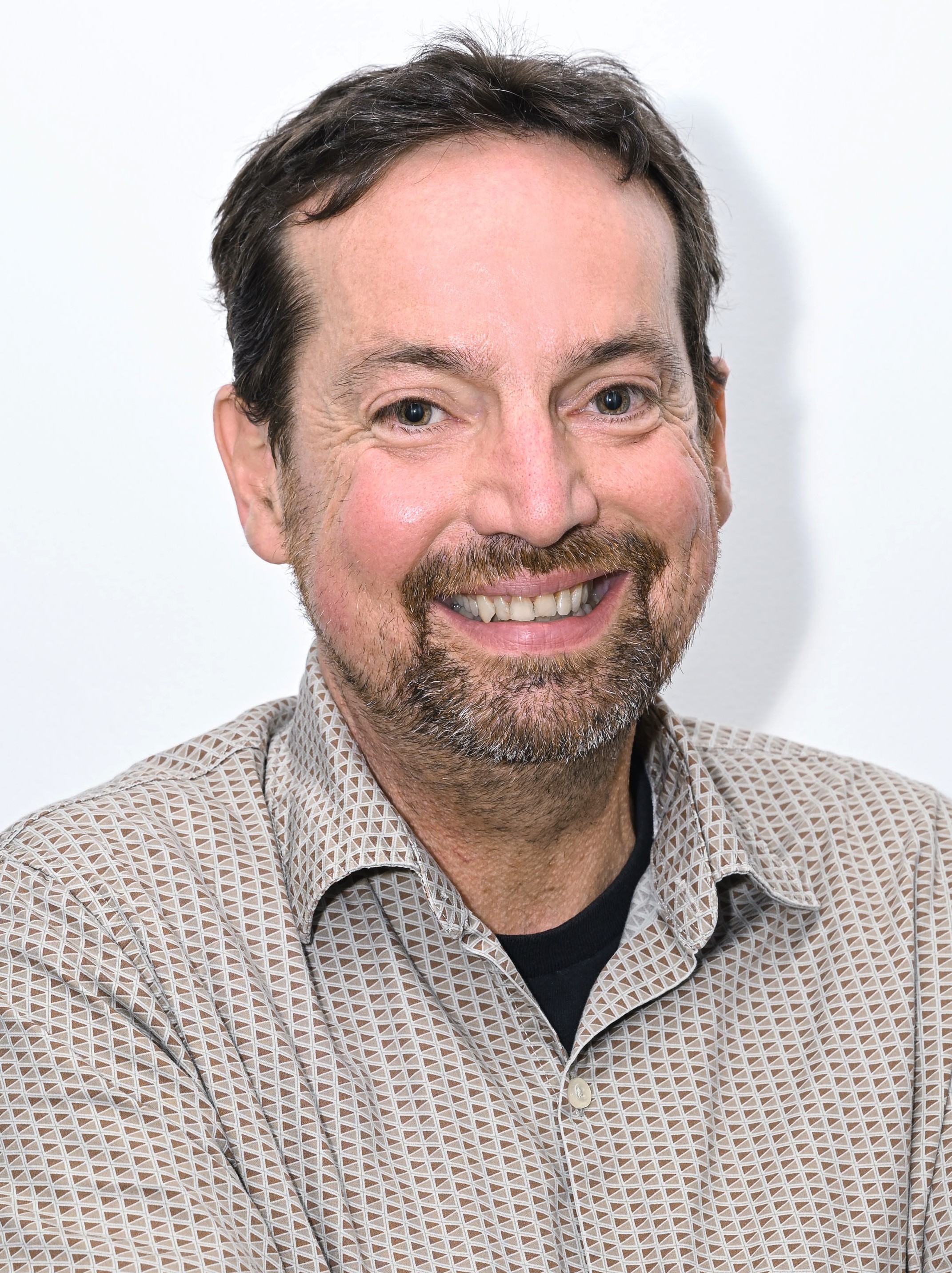
Presentation Title
Bayesian or machine learning approaches: what works best for genomic prediction?
Abstract
The foundational paper for genomic prediction, predicting complex traits from genome wide DNA markers, was published in 2001. Since then, genomic prediction has been widely adopted in crop and livestock production, and in human genetics for prediction of disease risk. In this overview, statistical methodologies for genomic prediction are compared, and we then speculate on the future of genomic prediction methodologies.
Biography
Professor Hayes has extensive research experience in genetic improvement of livestock, crop, pasture and aquaculture species, with a focus on integration of genomic information into breeding programs, including leading many large scale projects which have successfully implemented genomic technologies in livestock and cropping industries. Author of more than 300 journal papers, including in Nature Genetics, Nature Reviews Genetics, and Science, contributing to statistical methodology for genomic, microbiome and metagenomic profile predictions, quantitative genetics including knowledge of genetic mechanisms underlying complex traits.
Prof. Margarita Moreno-Betancur
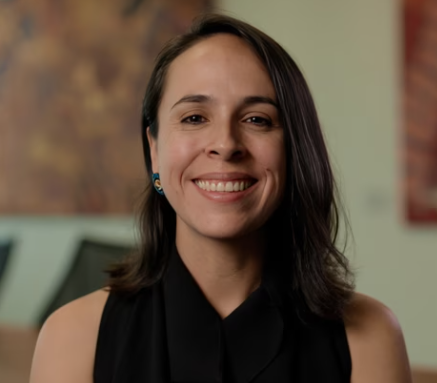
Presentation Title
Causal inference in health research
Abstract
The ultimate goal of medical and health research is to improve patient outcomes and population health. As a result, an overwhelming majority of clinical and public health research studies ask “causal” questions, concerning the effect of treatments, policies, behaviours and other exposures on health outcomes, even if often unadmitted. In many cases, especially in the current era of data deluge, these studies rely on observational (non-experimental) data to address causal questions. Unfortunately, for a long time the statistics discipline largely shunned the possibility of causal inference beyond randomised trials, and instead focused on the development of tools such as regression models without clarity regarding their usefulness and limitations for addressing the causal questions that substantive areas continued to ask. In recent decades, however, the discipline has seen the rise of a new area focused on determining the settings and approaches that could allow causal inference from observational data. This talk will first provide an overview of some of the fundamental contributions of this statistical area to enable and improve the study of causality in health research and then provide an overview of recent advances in the area seeking further to advance the statistical methods, teaching and practice.
Biography
Professor Margarita Moreno-Betancur is co-Director of the Clinical Epidemiology and Biostatistics Unit at the Melbourne Children’s campus. She established an internationally recognised hub of innovation and expertise in statistical methods for observational studies, supported by competitive fellowship and grant funding. Her team conducts methodological research in causal inference and missing data while contributing their expertise to health research studies. She is Chair of the Victorian Centre for Biostatistics leadership team, Scientific Lead of the LifeCourse platform of cohort studies, and Editor of the journal Epidemiology. She was awarded the Moran Medal by the Australian Academy of Science in 2025.
Associate Prof. Peter Dunn

Presentation Title
Modelling continuous data with exact zeros
Abstract
Statistical models for continuous data (e.g., linear regression) and discrete data (e.g., logistic regression) are commonly used. Continuous data with exact zeros, while less common, appear in many applications. In this talk, different models are discussed for modelling this type of data, with a focus on using Poisson-gamma models, which are Poisson sums of gamma distributions. Poisson-gamma distributions are part of the EDM family, so can be used for modelling within the generalised linear models (GLMs) framework. This means that the fitting, model selection and residual analysis tools familiar from GLMs also apply to GLMs fitted to continuous data with exact zeros.
Biography
Peter is an Associate Professor in Biostatistics at the University of the Sunshine Coast, and routinely teaches introductory statistics to over 500 students over two semesters each year.
Peter has over 110 peer-reviewed research publications, has prepared numerous R packages available on CRAN (including the tweedie package, with almost 1 million downloads from CRAN) and co-developed the Dunn-Smyth (or quantile) residuals used in statistical modelling. Peter has been invited to give presentations on the R statistical environment at conferences and workshops across Australia.
Peter won an Australian Office of Learning and Teaching Citation in 2012, a student prize at the 16th International Workshop on Statistical Modelling in Denmark, and the EJ Pitman Prize for student talks at the Australian Statistics Conference in 2002. He has also published two textbooks: Generalized Linear Models With Examples in R (Springer) and Scientific Research and Methodology (CRS Press; also available as a free interactive online textbook).
Dr. Petra Kuhnert

Presentation Title
Irresponsible use of AI is a Crime Scene: sifting through the slop to deliver responsible AI solutions
Abstract
Artificial Intelligence (AI) is moving at a rapid pace, shaping decisions across sectors and communities. As a result, the number of paper submissions to leading AI venues has surged. For example, in 2025, a little over 71,000 papers were submitted to the main research track of five of the top machine learning conferences, representing a 32% increase since 24 and a 10-fold increase from ten years ago. This rise in volume is becoming increasingly difficult to manage and consume in the academic community. Alongside genuine advances, there is also work that is incremental, overly tuned to curated benchmarks, weakly evidenced or even AI-generated without adequate verification.
If we want AI research and deployed systems that are trusted, robust and transparent, we need a forensic lens on how AI and its underlying analytics are developed and evaluated. For me, Statistics provides that lens, yet it can be sidelined in the rush to publish AI and deploy.
In this talk, I use the metaphor of a crime scene to describe AI crime: errors in predictions, uncertainty and inference that lead to poor decisions and in high-stakes settings can translate into real-world harm. I outline what Responsible, Application-Driven AI (RAD-AI) looks like in practice, and the statistical checks and incentives that help prevent failure modes and AI crime before it reaches the field. I will illustrate these ideas with work we are developing with stakeholders to produce a trusted AI crop growth model.
We would not cut corners at a crime scene, so why would we allow crime to happen with AI!
Biography
Dr. Petra Kuhnert is a Senior Principal Research Scientist at CSIRO and an expert at the intersection of statistics and machine learning. Her work develops methodology for risk-based decision-making in environmental and agricultural applications where she develops methods that are fit for purpose, relevant to the question at hand, and usable by decision-makers.
Her work, particularly supporting Great Barrier Reef decision-making, has been recognised through awards including 1st Runner Up (APAC Women in AI Innovator of the Year, 2023) and the APAC Women in AI Award for Environment and Biodiversity (2023).
A key contribution to AI-driven decision-making is her award-winning software Vizumap, an R package that helps users understand and communicate uncertainty on maps.
More recently, her focus has included machine-learning emulators to speed up slow-running physical system models, Bayesian methods for decision support, and approaches that use geospatial data (e.g., remote sensing) to improve prediction of terrestrial environmental and agricultural processes. Her previous roles include Associate Science Director for University Engagement and Group Leader of the Statistical Machine Learning Group in CSIRO’s Data61.
She has co-authored 100+ journal articles, with 6,000+ citations and a Google Scholar h-index of 30+. Her collaborations span leading government departments, universities and industry.
Dr. Ruth Butler
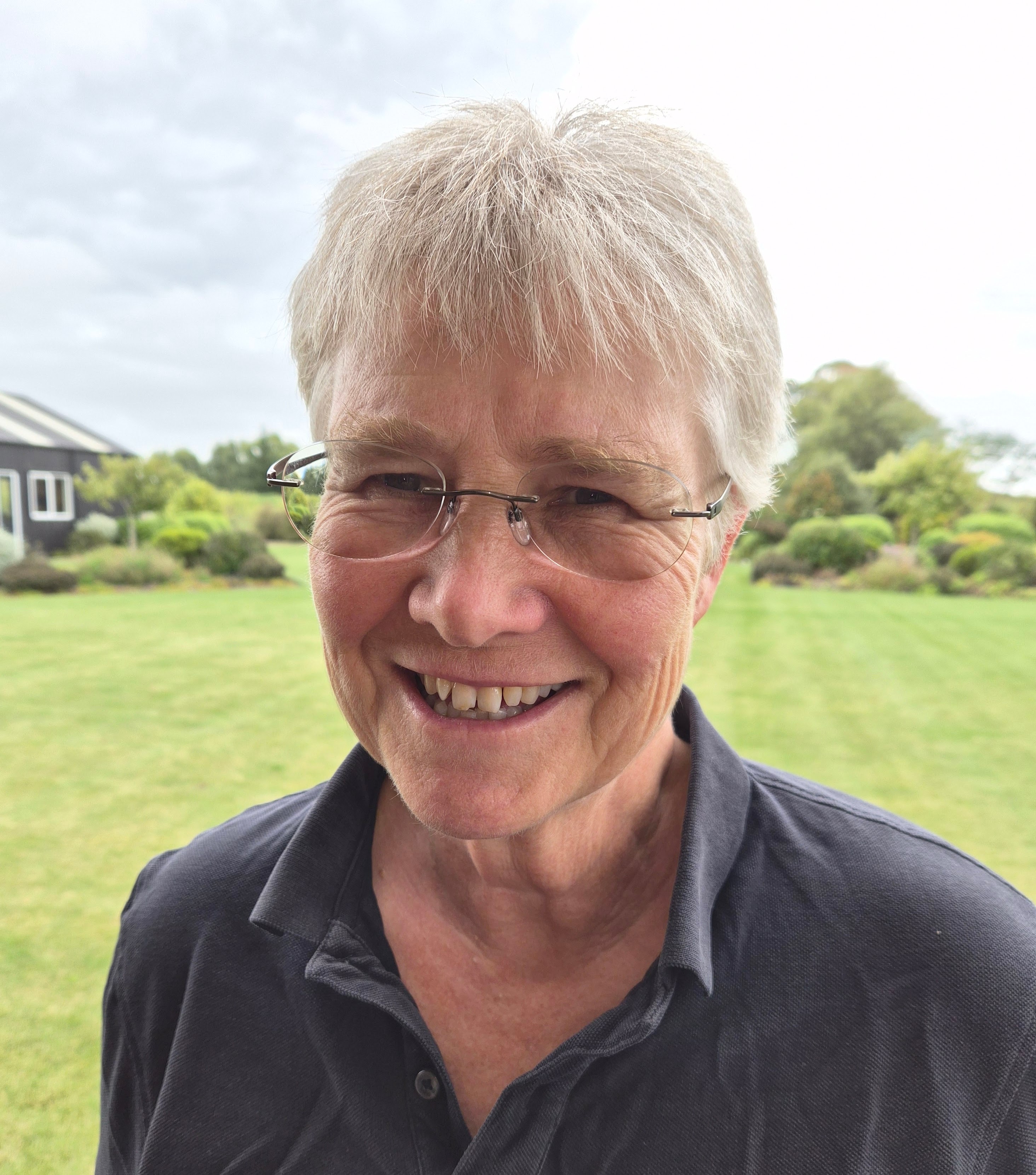
Presentation Title
Consulting in the real world: reflections, comments and data
Abstract
I have worked as a statistical consultant for a long time now, working primarily in Agriculture and Horticulture science institutes. Along the way, I have developed some strong opinions about statistics and how statisticians work. I will discuss some of these. I will then present a couple of relatively recent pieces of work, each with a statistical challenge.
Biography
Dr. Ruth Butler has worked as a biometrician/statistical consultant for more than 35 years, initially in the UK, then from the mid-1990s in New Zealand. She has primarily worked with bio-protection scientists (plant pathology, entomology), but also has significant experience working with other non-medical biological scientists including in soils/agronomy, food research and plant breeding. Ruth has been a Genstat user throughout her career, contributing around 10 Genstat procedures, and has been a beta tester of Genstat for 30 years. Ruth has also been a CycDesigN user since the very first version was released in 1997. Her interests are in good data management practices, well-designed experiments, and in improving communication between statisticians and scientists.
Dr. Salvador Gezan
Presentation Title
Fitting Large Genomic Models: Computational Strategies and Approximations within the Linear Mixed Model Framework
Abstract
As genomic datasets grow larger, substantial statistical and computational challenges arise when analysing single-nucleotide polymorphism (SNP) data. Such data are widely used in Genome-wide Association Studies (GWAS), Polygenic Risk Score (PRS) analyses, and genome-wide prediction models. Depending on the field and context, it is common to encounter datasets containing millions of SNPs and hundreds of thousands of genotyped individuals. Fitting even the simplest linear mixed model at this scale is computationally demanding, requiring the handling of large genomic matrices and the estimation of a large number of marker effects. Statistical and mathematical techniques such as Cholesky decomposition, eigen-transformation, Singular Value Decomposition, and low-rank matrix approximations provide practical solutions for fitting these models and obtaining the required effects and predictions. This talk will present key mathematical details, illustrations, and practical guidelines for addressing large-scale genomic analyses in plant and animal breeding.
Biography
Salvador Gezan is a statistician and quantitative geneticist with over 20 years of experience, currently serving as a Statistical Genetics Consultant at VSN International. He specialises in mixed models and their application to biological problems, supporting agricultural, forestry, and aquaculture breeding programmes through the analysis of phenotypic and genotypic data, the development of breeding strategies, and the implementation of genomic selection in operational breeding programmes. He began his career at Rothamsted Research, was an Associate Professor at the University of Florida, and has delivered ASReml workshops globally. Dr. Gezan has over 160 peer-reviewed publications and is a co-author of Statistical Methods in Biology: Design and Analysis of Experiments and Regression.